Black Holes
15 articles exploring the darkest objects in the universe
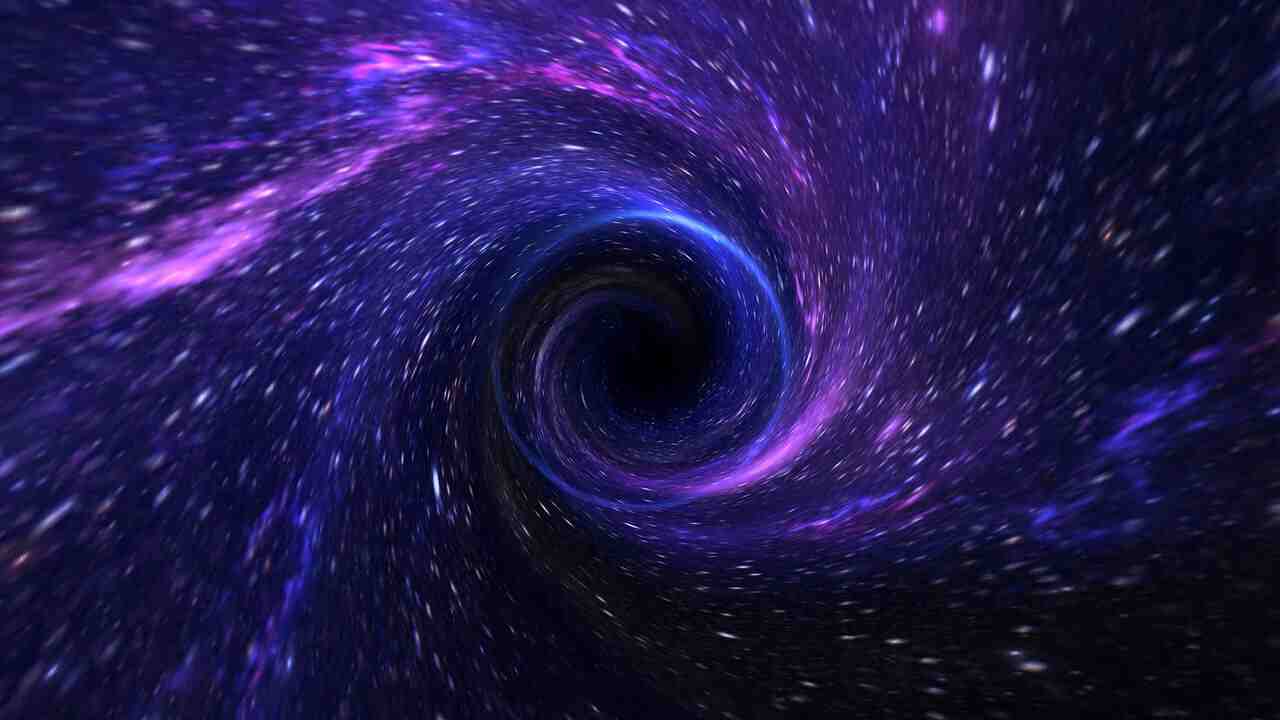
What Happens If You Fall Into a Black Hole?
Discover the terrifying and fascinating physics of crossing the event horizon, from spaghettification to the singularity's ultimate mystery.
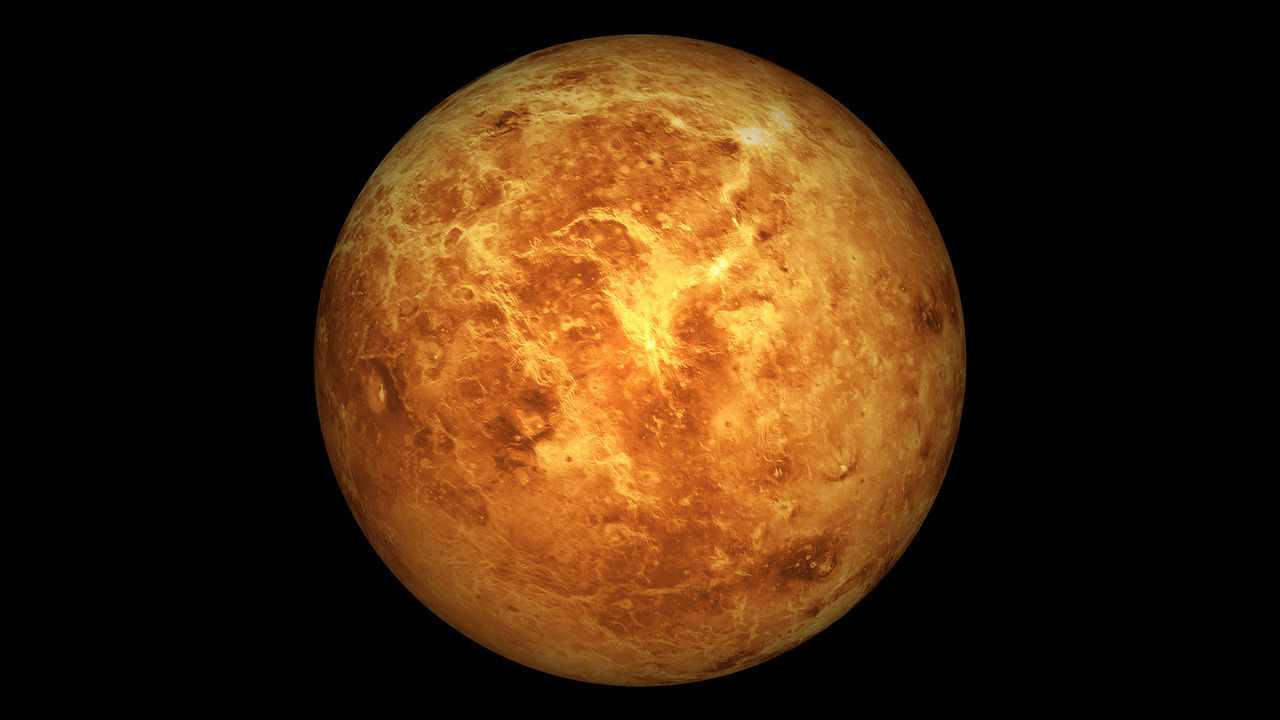
Has the Black Hole Information Paradox Been Solved?
For decades physicists have debated whether information is truly lost inside black holes. New theories suggest it might be preserved after all.
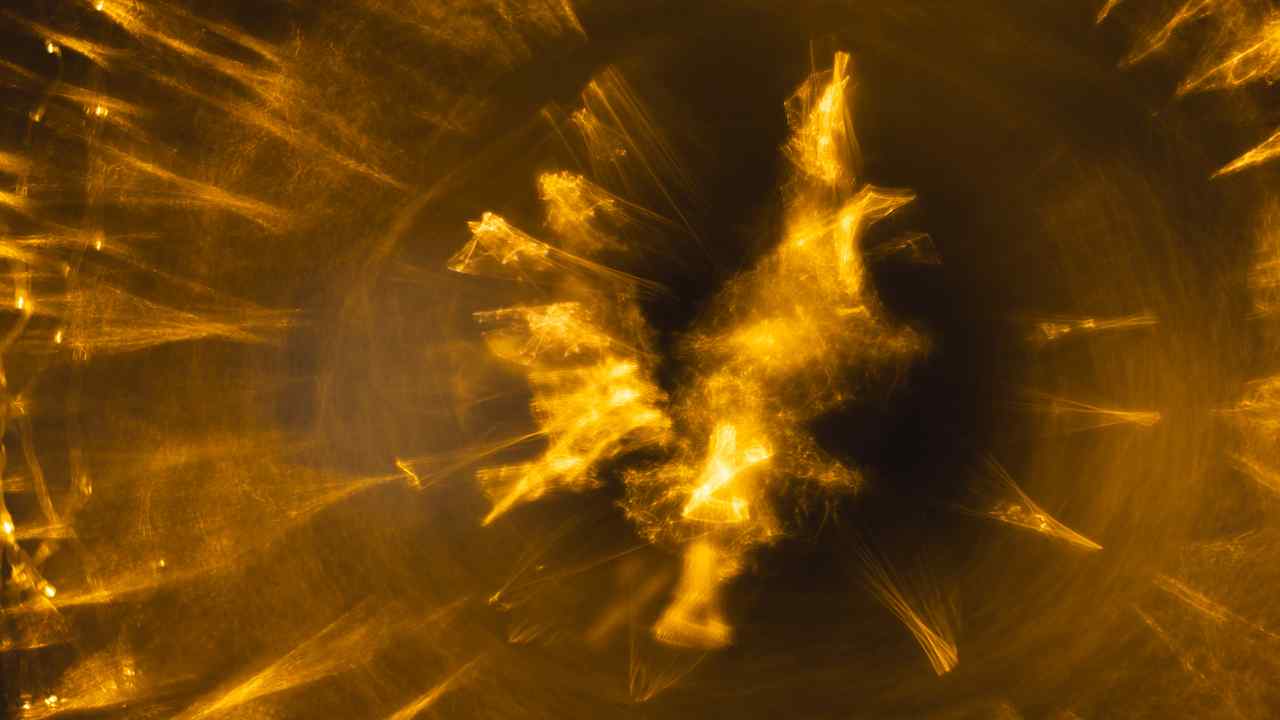
How Supermassive Black Holes Shape Galaxies
At the heart of nearly every galaxy lies a supermassive black hole. Learn how these cosmic giants influence star formation and galactic evolution.
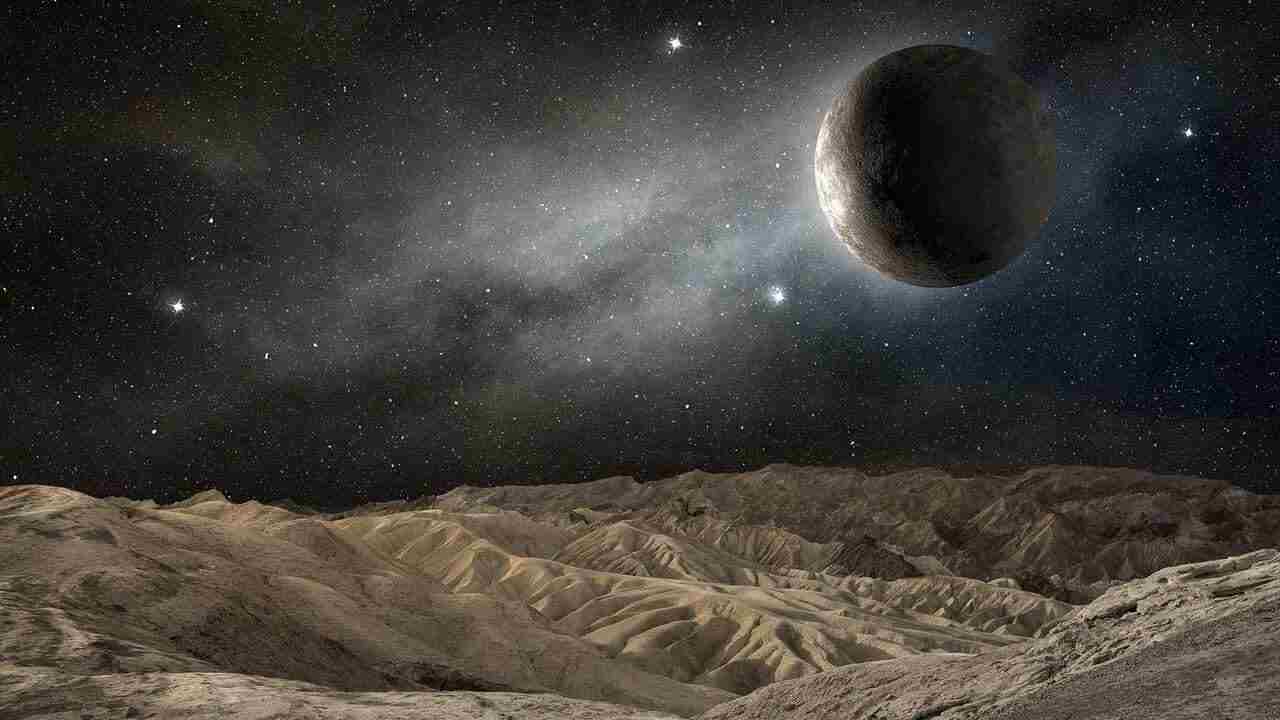
Spaghettification: The Strange Physics of Being Stretched
When tidal forces near a black hole stretch you into a long thin strand, physics gets weird. Explore the science behind this cosmic phenomenon.
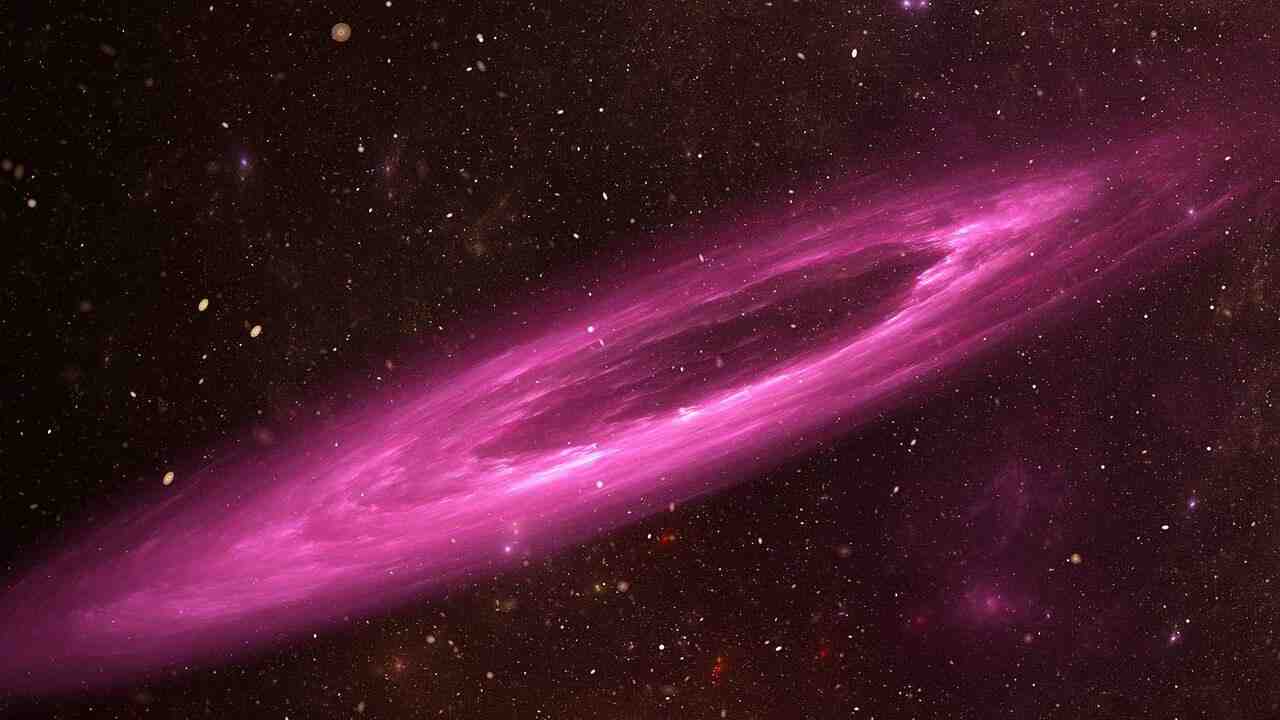
The Event Horizon: Why Nothing Can Escape
The event horizon marks the point of no return. Once crossed, not even light can escape a black hole's gravitational grip.

Do Black Holes Die? Hawking Radiation
Stephen Hawking showed that black holes aren't truly black. They slowly evaporate through quantum effects near the event horizon.
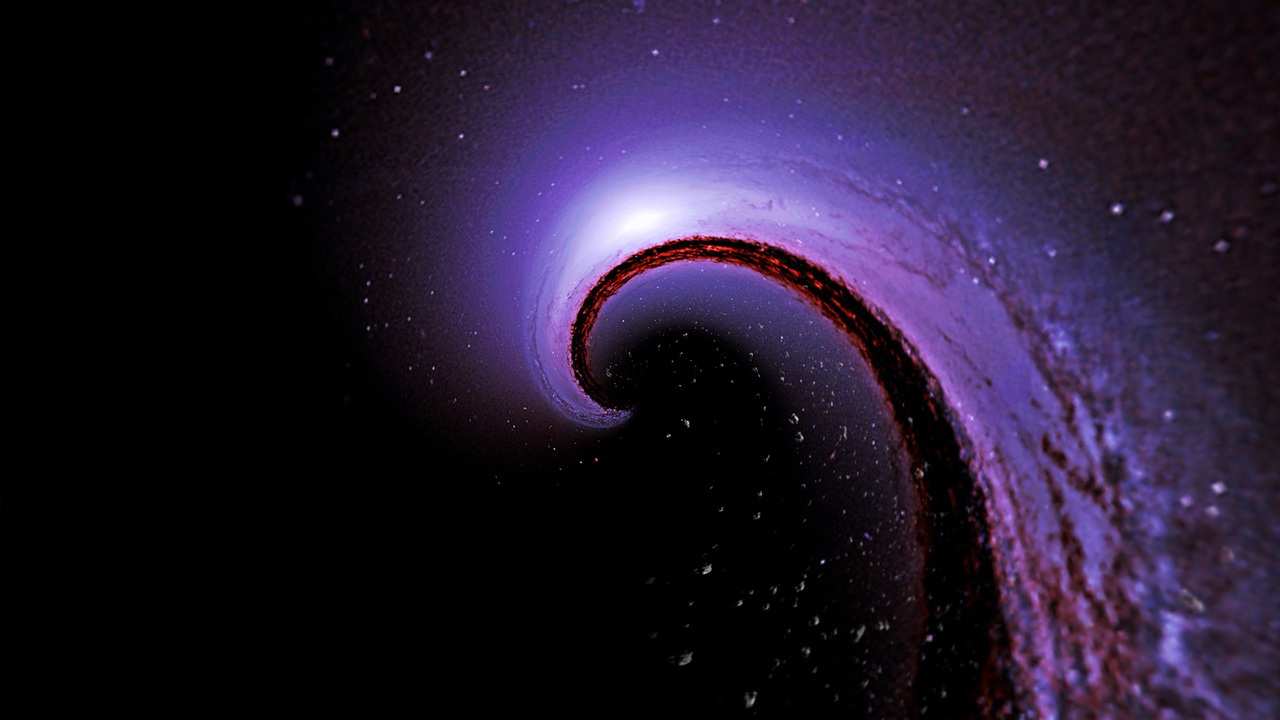
White Holes: Theoretical Opposites
If black holes pull everything in, could white holes be regions where nothing can enter and everything must escape?

The First Photo of a Black Hole
How the Event Horizon Telescope captured the first-ever image of a black hole's shadow in the galaxy M87, a monumental achievement.

Wormholes and Black Holes
Are wormholes possible? Explore the theoretical connection between black holes, Einstein-Rosen bridges, and shortcuts through spacetime.
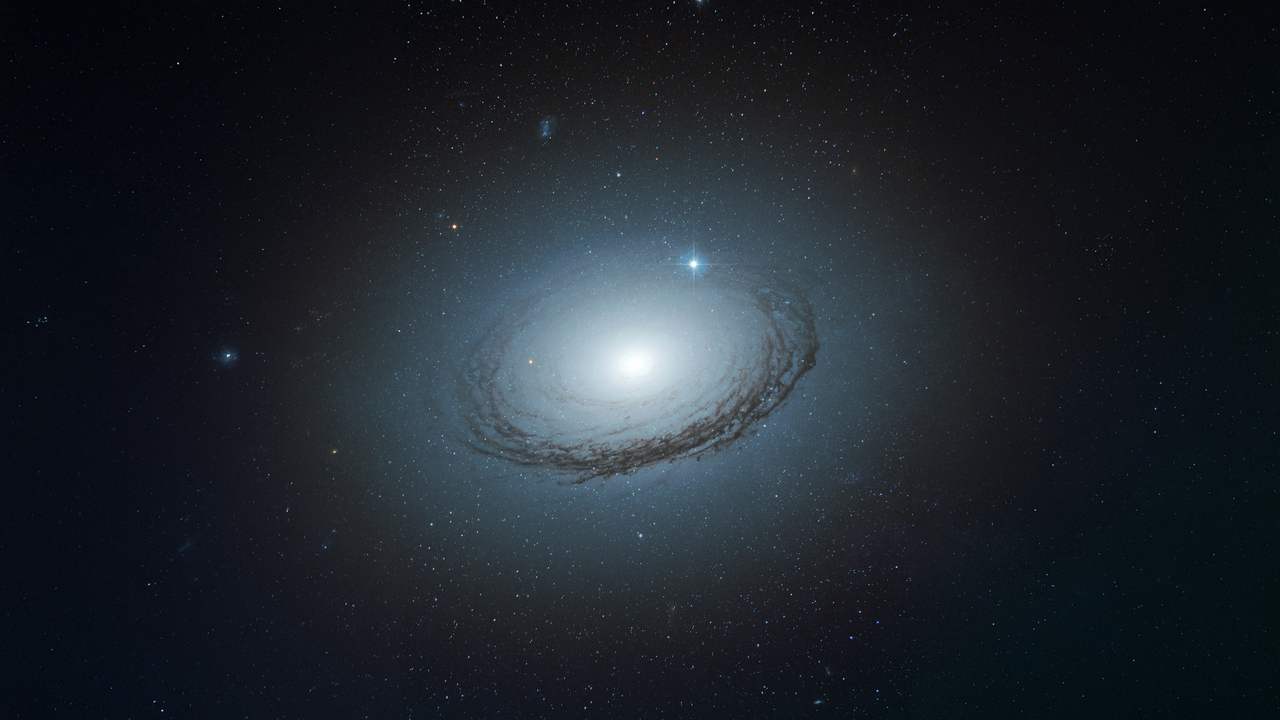
Gamma-Ray Bursts
The most energetic explosions in the universe may be linked to black hole formation. Learn about these fleeting but powerful cosmic flashes.
Mini Black Holes
Theoretical tiny black holes could have formed in the early universe. Some might even be produced in particle colliders here on Earth.
Black Hole Mergers
When two black holes collide, they shake the fabric of spacetime. LIGO has detected these gravitational waves from millions of light-years away.
Time Dilation Near Black Holes
Near a black hole, time slows to a crawl relative to distant observers. Dive into the mind-bending effects of extreme gravitational time dilation.
How We Detect Invisible Black Holes
Black holes emit no light, so how do we find them? From X-ray binaries to gravitational waves, learn the clever methods astronomers use.
What's Inside a Black Hole
Beyond the event horizon lies the unknown. Theories range from singularities to fuzzballs and even entire universes hidden within.